Tuesday, September 19, 2023

#140. "Orlando" by Virginia Woolf

In a career full of playful writing, "Orlando" may be Virginia Woolf's most enjoyable. The conceit of the text was to write a parodic text like it was historical. The premise itself was silly enough, finding the titular Orlando existing across multiple generations and taking on many forms. Sometimes it's female while others are male, placing Woolf in different contexts that allow for a curious study of gender politics throughout the centuries. Even as it delves into sometimes personal and affirming language, it reflects how sometimes the only difference between a man and a woman is clothes. Society places expectations on them that are in themselves ridiculous and it results in the humor in the text becoming something more intellectual. It's a commentary on what it means to be alive, finding that some things are difficult to reason with. Sometimes it's best just to be taken in by the magic of the moment. 

#139. "Mrs. Dalloway" by Virginia Woolf

A lot can happen over the course of a day. The issue is that the average person isn't often aware of every formative experience during a 24-hour period. There's very little reason to chronicle things as mundane as walking to a flower shop or sitting in a park. Even then, these can lead to some great revelations. For Virginia Woolf, she uses one day in England to uncover the intertwining lives of two individuals. They may never be in the same room nor really share similar interests, but they're more similar than you'd expect. What Woolf ultimately achieves is something sensitive and beautiful. She finds how the mundanity of every life can be full of beautiful meaning. It may be a story that comes to an end along with the sun, but it's one of the greatest, most lasting works of modernist fiction. It gives the reader a lot to think about, creating an intimacy that not only enhances the characters but connects them to every personal experience. In "Mrs. Dalloway," everything is connected. It goes beyond the physical and into somewhere mental and even spiritual. Its profundity is enormous.

#138. "Night and Day" by Virginia Woolf

While Virginia Woolf is now known as one of the most experimental writers of the modernist movement, her early work painted a very different picture. Maybe it was due to publishing novels under another company, but works like "Night and Day" were more in tune with what audiences of the time had expected. They were reminiscent of the romanticism of the 19th century, capturing a very stuffy and direct use of language that sought to trap its characters. However, within the conventional was something interesting. As the last "traditional" novel that Woolf produced, it showed signs of where her career would be heading. The characters were about trying to separate themselves from the old guard, to establish their voices in a society that didn't have a use for them. It may not be Woolf's most clever or energetic work, but it has way more personality and potential than many would think at first glance.

Monday, August 28, 2023

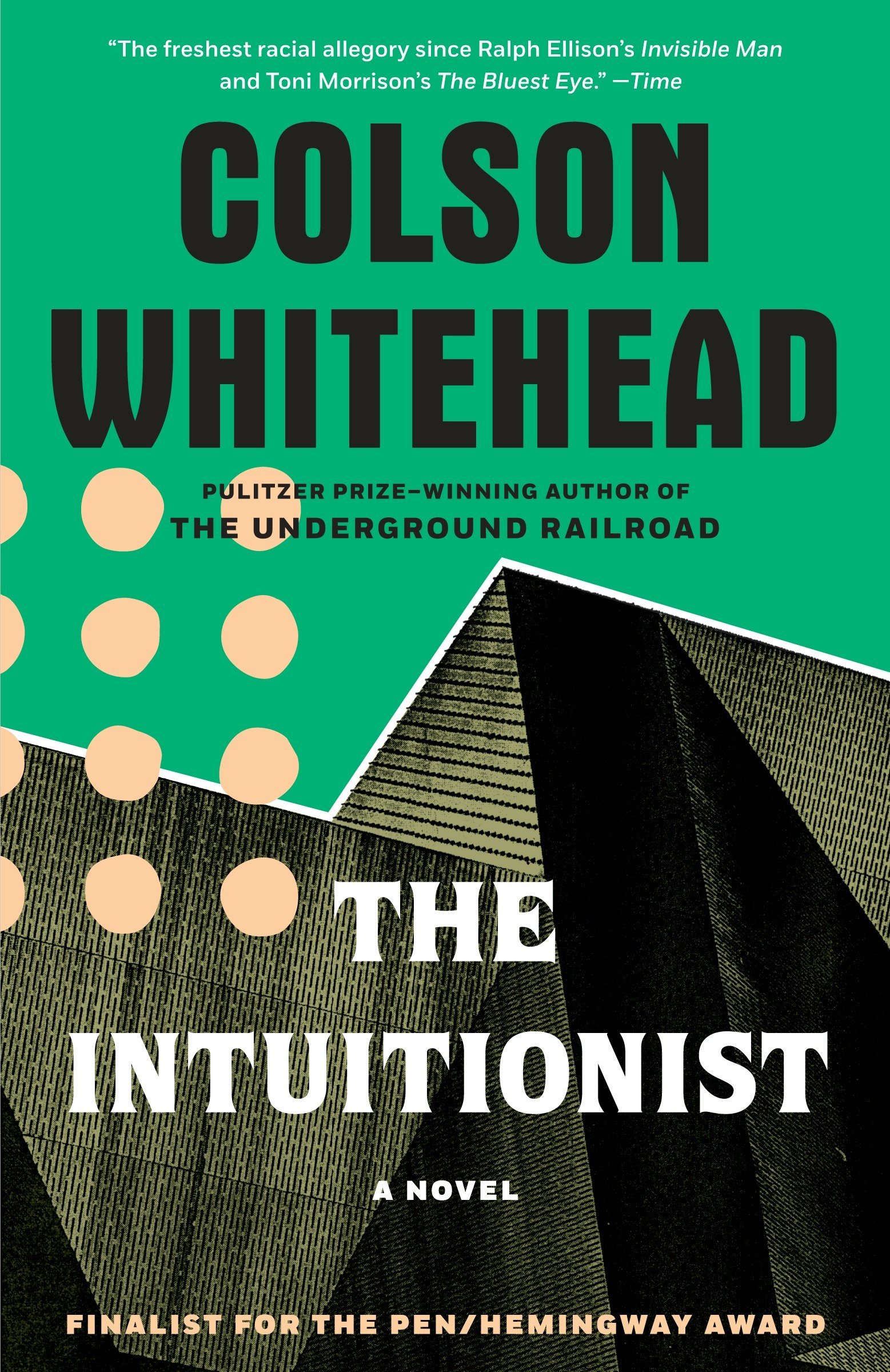
#137. "The Intuitionist" by Colson Whitehead

When it comes to allegories, there have been few in contemporary literature that match the weight of Colson Whitehead's "The Intuitionist." The debut novel from the acclaimed author finds an odd premise that may not make sense at first, but will slowly come to be a provocative text full of rich imagery and social allegory. By focusing on the struggles of elevator repairmen, he helps to build an economy of ideas that are constantly clashing with each other. What emerges is a power struggle between those who have the skills and those who have the wherewithal to get operations moving. It's a striking little novel and one that is consistently entertaining. Few works could hope to be as surrealistic in painting the mundanity of life as hiding these greater truths about what it means to be alive and working for someone. It's a great start to an even greater career. Colson establishes himself as a voice to watch and it's hard to deny that he more than earns a place at that table. 

Tuesday, August 22, 2023

#136. "Cat Kid Comics Club: Collaborations" by Dav Pilkey

Over the course of four books now, Dav Pilkey has achieved the thankless task of making the arts fun for children. While many have taken to more droll approaches to lesson plans, Pilkey understands that the easiest way to a young creative's mind is to make something that is in itself flourishes with visual wonderment. In the case of his latest entry of Cat Kid Comics Club, he takes on the subject of "Collaborations" and moves the student onto the next stage of the process. While it's difficult to come up with ideas by oneself, having to bring that to a group environment is even more difficult. What this book explores is the difficulties and benefits of trying this approach out. Who knows. It might even produce some of your best work.

#135. "Wuthering Heights" by Emily Bronte

In the realm of Gothic romance novels, there are few with as cold of a reputation as "Wuthering Heights." For those expecting a straightforward story of a man betrothing a woman, it proves to be a much more complicated set of affairs than that. If anything, it delves into the unpleasant side effects of a relationship gone horribly wrong. Emily Bronte may have only produced one novel, but it's the type of story that has lingered in the public's consciousness, reflecting the efforts of abusive men and the way that they will ultimately try to seek power through a legacy that may not be fully earned. It's calculated work and one that hides behind unpleasantness, but the results are definitely a thrilling read for those willing to see a reality not often afforded to older literature. Not every man who played the hero is deserving of his status, and Bronte turned him into a tragic icon anyway, the butt of critics for centuries to come. 

#134. "Collected Stories" by William Faulkner

Over the course of an impressive career, William Faulkner achieved some of the most playful and dexterous writing of the early 20th century. With a fascination on the south, he detailed centuries of families overcoming a changing America while creating some of the most labyrinthian tales imaginable. A few sentences could convey hours of thought and nowhere is that seen better than in his gargantuan collection "Collected Stories." While it may seem like an overstuffed tribute to a writing legend, it actually works at conveying the themes that most interested him. Over the course of 42 short stories, he manages to reflect the way that humanity relates to itself, detailing the efforts for history to keep its traditions alive, and presenting them with humor and insight in such a way that each page has its own riveting accomplishments. While it's true that some of the tales have aged better than others, having these handpicked by the author himself allows for a peek inside a mind that was clearly never short on ideas. It's the study of a country as well as the study of a man. You just have to know how to look at it.