By now, everyone has accepted that director Martin Scorsese's GoodFellas is one of the greatest films of all time, even rivaling The Godfather as the best mafia movie in existence. Who could deny its charm, from the music to the dialogue to the iconic directing? However, there's a more basic reason that becomes clear when reading Nicholas Pileggi's "Wiseguy," of which the film was based on. Protagonist Henry Hill is a fascinating character not because he exists in a mythical world of cinema where anything is possible. No, he is someone who existed in such a heightened way that it's hard to believe he was real - even as his lack of documented existence would suggest. Pileggi lets the story play out through Hill's own words and ends up creating one of the most powerful and real looks into mob life ever set to page. In some ways, Hill is an envious deity who never got what's coming to him. And that's what makes him an incredible figure to write about.
Monday, July 31, 2017
Saturday, July 29, 2017
#17. "IT" by Stephen King
Part of the allure to Stephen King as a writer is his ability to warp anything to his sensibility. Over his career, he's reinvented teen angst ("Carrie"), haunted houses ("The Shining"), rabid dogs ("Cujo"), and even alternate dimensions ("The Dark Tower" series). The concept may be hokey, but it has made him one of the most recognized and adapted authors in history. Still, there was no bigger challenge than finding a way to make "IT" scary. After all, IT is a two letter word that could encompass anything, good or bad. In a King book, it is ALWAYS going to be bad. Using the phrase "Don't talk about it." as a jumping off point, he delves into one of his lengthiest and most excessive books of his entire career, serving as his definitive masterwork and sloppiest book simultaneously. It is a fascinating read, if it isn't always satisfying.
Tuesday, May 30, 2017
#16. "The Island of Dr. Moreau" by H.G. Wells
There are few authors as integral to sci-fi as H.G. Wells. Over the course of his career, he wrote several page-turning masterpieces such as "The Invisible Man" and the iconic "The Time Machine." What's more impressive is that he managed to establish every gimmick possible into a riveting page-turner. With his story "The Island of Dr. Moreau," he reaches for loftier heights by exploring themes of man playing God, and what happens when his creation fights back. It's a sloppy premise, but one that helps to expand on themes of such books as Mary Shelley's "Frankenstein" by turning it into a fun island adventure that is as recognizable as it is disturbing. It may be a little clunky from a prose perspective, but it's still Wells doing what he does best.
Thursday, May 25, 2017
#15. "The Dark Tower III: The Wastelands" by Stephen King
The work of Stephen King is so vast that it's impossible to pick a favorite. To most, there will be titles that have been made into good movies, such as "The Shining," "Misery," "Carrie," or "It." However, it one were to ask King what he felt was his greatest work was, odds are that he'll mention "The Dark Tower" saga somewhere. Until the upcoming movie, it's likely the most obscure title in his oeuvre to also have a rabid fan base. Still, its mix of genres with western, sci-fi, fantasy, and history is a fascinating journey into a world that is literally unlike any other. With "The Waste Lands," he pushes further into that vision with some of his most striking visuals yet, and it all works for better or worse in forwarding the story to its exciting conclusion.
Tuesday, May 23, 2017
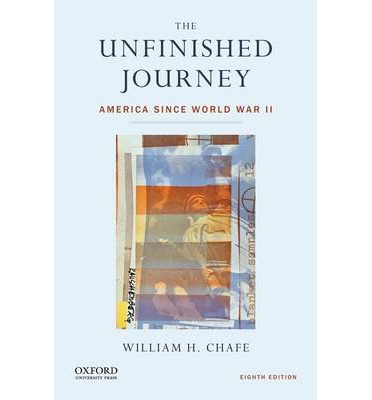
#14. "The Unfinished Journey: America Since World War II" by William H. Chafe
It is both a compliment and an issue that American History has so much to offer. With the majority of History classes stopping somewhere around the 1960's, it's difficult for the average learner to understand what's happened in the 50 years since. In his book "The Unfinished Journey," historian William H. Chafe does an excellent job of creating a survey of key events between World War II and President Barack Obama's first term in office. While some events are more generalized, it's an impressive feat to turn close to 80 years of history into an accessible text that will inform as well as give a deeper appreciation to information that the reader already likely knew. It may not be the definitive text on any of the issues, but it's still pretty thorough.
Monday, April 24, 2017
#13. "Madeline" by Ludwig Bemelmans
The world of children's books can be a curious racket. The best stories often don't come from far out adventures that require imaginations, but of ones that require creative allegories of the everyday life. This is true for "Madeline," which has managed to churn out a popular book series and film over the course of its 75+ year existence. What makes the story so special? Well, it's tough to say. It's merely a book about getting your appendix removed. Is that all there is to like about it? On the contrary. Even with limited language and plot, the journey of Madeline in her debut story is a short but engaging read that brings to life a hero for curious kids wanting to explore the world around them.
Friday, April 14, 2017
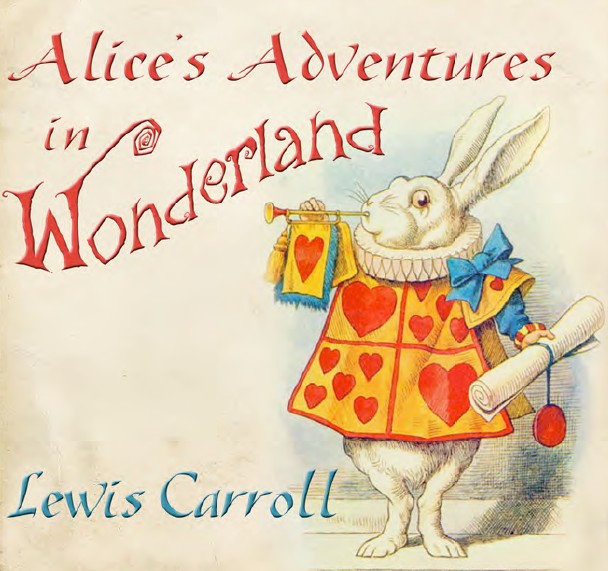
#12. "Alice in Wonderland" by Lewis Carroll
In most of literature, there hasn't been a novel that's more "curiouser and curiouser" than Lewis Carroll's journey down the rabbit hole. Compared to the fiction of its time, it was groundbreaking as well as confusing. Why was a story full of talking animals and a girl who shrank and grew going to be a story that resonated for over a century? To be fair, part of the charm of "Alice in Wonderland" is that it doesn't entirely make sense and that anyone's idea of symbolism - whether it be one of puberty or hallucinogenics - somehow fits into the tapestry that mixes prose with poetic rhyming schemes. It's no wonder that this children's literature mainstay has inspired so many film adaptations. It's such a fun experience, though it's in part because nothing could match the confusing wonder that lies on the page. Carroll's work may be at best wonky, but it's heavily endearing in its own assurance.
Subscribe to:
Posts (Atom)