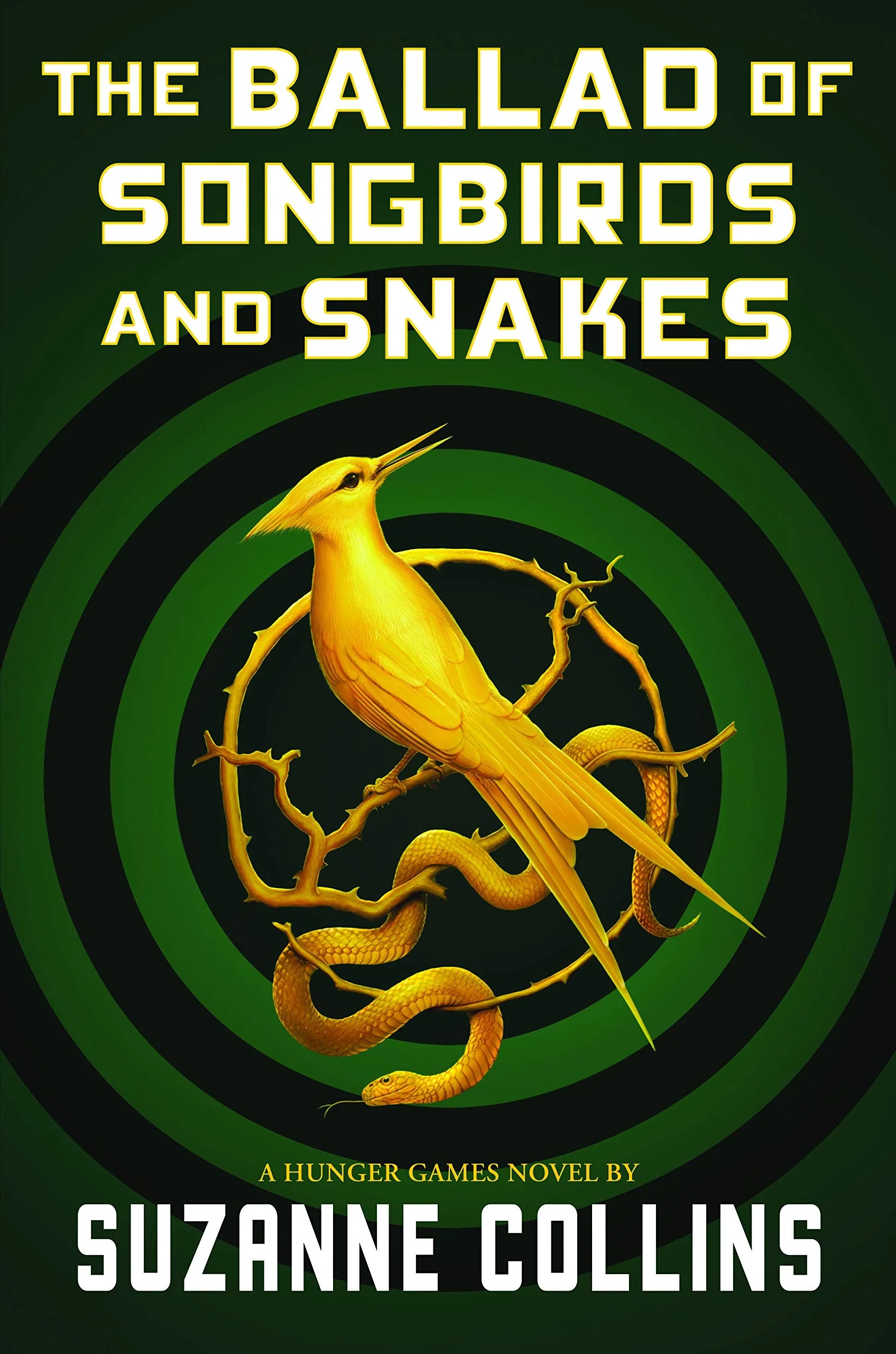
On the surface, readers wouldn't think that there's a lot of space to expand on the world of Panem. After a trilogy of books, how could anyone make The Hunger Games exciting and new, especially without beloved protagonist Katniss centering the book? In a clever sidestep, Suzanne Collins has decided to do what anyone else would do in popular franchise culture: make a prequel. This one centers around antagonist Snow as a young man experiencing the bloodbath ritual for the first time. One has to ask how an unsympathetic lead makes a difference in this world and whether audiences would be willing to go along with it, but Collins knows what she's doing.
For as much as this is a world that doesn't necessarily encourage expansion, the additions provide a cleverness and depth that push the story into a complicated dilemma. By attempting to push beyond the nefarious behavior readers know, Collins successfully creates a sympathetic story that finds Snow able to be seen as likable, even understandable in his poor decisions. It's the type of chess game perfect for the battlefield. Every move is about survival and while Snow maybe had more advantages than half the characters in "The Ballad of Songbirds and Snakes," he's left with questions of keeping his soul and integrity alive. The reader knows how things evolve. Knowing how it starts brings to light the preventable in ways that make the larger series more tragic and preventable. While it's part of a familiar tradition of prequel world building, it's enough to please fans of Hunger Games as a larger universe.


